Europe is currently facing the spread of several serious animal diseases, including sheep pox and goat pox, infection with bluetongue virus (serotypes 1-24), infection with lumpy skin disease virus (in cattle), African swine fever, highly pathogenic avian influenza (so called “bird flu”), and West Nile fever (in equine animals). These outbreaks often necessitate the killing of all animals of listed species kept in the affected establishment[1],in the case of Category A diseases[2].
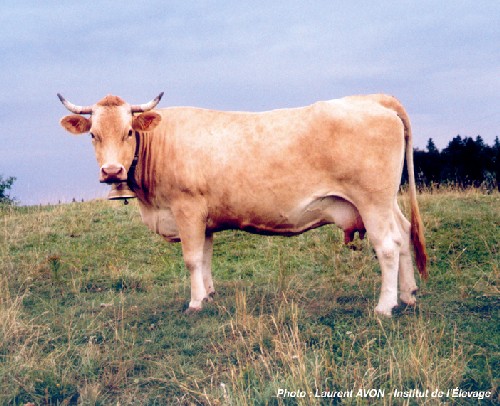
Necessary disease eradication measures pose an extreme threat to endangered livestock breeds, especially those with populations localized within a restricted zone. Although we fully subscribe to the need for disease eradication measures, we want to draw attention to several options to support the conservation of endangered breeds in the light of current and upcoming disease threats.
To help safeguard vulnerable and unique breeds of livestock, we recommend that national authorities consider the following actions:
- Prioritize vaccination: Endangered breeds within a vaccination zone should be given the highest priority for vaccination in accordance with the rules laid down in Commission Delegated Regulation (EU) 2023/361[3].
- Expand vaccination zones: Authorities should consider extending vaccination zones to areas outside the restricted zones as part of disease control measures taking into account presence of endangered breeds where appropriate.
- Implement specialized protocols: Where feasible at a national level, implement specific biosecurity and quarantine protocols for genetically unique breeding herds, particularly nucleus breeding herds of endangered breeds.
- Immediate genetic material collection: Safeguard breeds and their genetic diversity through gene bank collections (ex situ conservation):
- Semen collection: Rapid collection of semen from at-risk flocks is essential before potential contamination. Collecting epididymal semen is a viable option for quick field procedures. For reference, recommendations for in-field procedures and general presentations on ex situ conservation for small ruminants can be consulted here.
- Funding for conservation: Funding for the mid-term and long-term cryopreservation of semen and embryos should be established for all endangered breeds.
- Legislative derogations:
- For the purpose of establishing and using gene bank collections, derogations in national animal health legislation may be needed. Guidelines for developing national animal health regulations for material intended for gene banks are available here as well as a brief summary.
- Specific derogations from killing of animals in an establishment affected by an outbreak of a Category A disease may be granted by the Competent Authority for endangered breeds under certain conditions in accordance with Article 13(2) of Commission Delegated Regulation (EU) 2020/687.
[1] Article 12(1)(a) of Commission Delegated Regulation (EU) 2020/687 ELI: http://data.europa.eu/eli/reg_del/2020/687/oj
[2] Commission Implementing Regulation (EU) 2018/1882 ELI: http://data.europa.eu/eli/reg_impl/2018/1882/oj
[3] ELI: http://data.europa.eu/eli/reg_del/2023/361/oj
Text edited in collaboration with